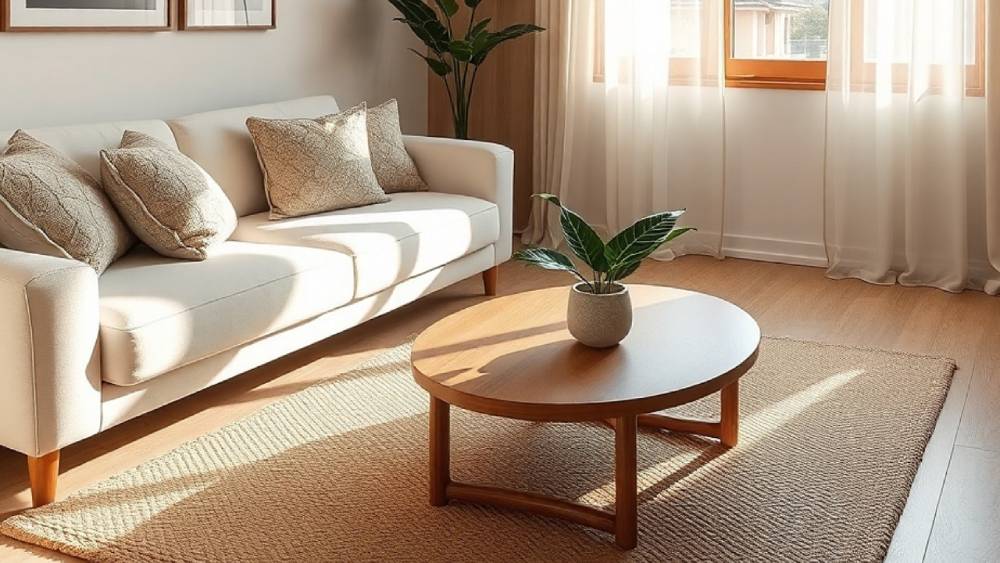
15 Small Living Room Decorating Ideas to Maximize Space
A small living room can be just as stylish, comfortable, and inviting as a large one. The secret is to make smart decorating choices that help you use every inch of available space without making the room feel crowded. From choosing multifunctional furniture to using clever lighting and color combinations, small changes can make a noticeable difference.
Whether you live in a compact apartment, a small house, or a studio, these 15 small living room decorating ideas will help you create a beautiful and functional space that feels more open.
1. Choose Furniture That Fits Your Space
One of the most common mistakes when decorating a small living room is choosing furniture that is too large. Oversized sofas and bulky chairs can quickly make the room feel cramped.
Instead, look for compact sofas, slim armchairs, and furniture with simple shapes. Measure your room before purchasing anything to ensure that each piece fits comfortably.
Pro tip: Leave enough space between furniture pieces for easy movement.
2. Use Light Colors to Create an Open Feel
Light colors can make a small living room feel brighter and more spacious. Shades such as white, cream, soft beige, and pale gray reflect natural light and create a clean atmosphere.
You can use these colors on walls, curtains, rugs, and larger furniture pieces. Add a few darker accents through cushions, artwork, or decorative accessories to keep the room from looking plain.
3. Add a Large Mirror
Mirrors are a simple decorating solution for rooms that feel small or dark. A well-placed mirror reflects light and creates the visual impression of additional space.
Hang a large mirror opposite a window to reflect daylight throughout the room. Alternatively, place a tall mirror behind a console table to create an elegant focal point.
Choose a frame that complements your existing decor for a coordinated look.
4. Invest in Multifunctional Furniture
When space is limited, furniture that serves more than one purpose can be extremely useful.
Consider an ottoman with hidden storage, a sofa bed for overnight guests, or a coffee table with drawers. These pieces help reduce clutter while keeping essential items within easy reach.
Multifunctional furniture is especially helpful in studio apartments and homes where the living room serves several purposes.
5. Make the Most of Vertical Space
When floor space is limited, look upward. Walls provide valuable storage and decorating opportunities that are often overlooked.
Install floating shelves, tall bookcases, or wall-mounted cabinets to store books, plants, and decorative items. Vertical arrangements also draw the eye upward, making the room appear taller.
Keep frequently used items accessible and avoid overcrowding shelves with too many accessories.
6. Choose Furniture With Exposed Legs
Furniture with visible legs allows more of the floor to remain in sight. This creates a lighter appearance than solid pieces that sit directly on the ground.
Look for sofas, accent chairs, and side tables with slim wooden or metal legs. These designs can help a compact living room feel less heavy and visually crowded.
Pair them with a simple rug to create a balanced and comfortable seating area.
7. Use Floating Shelves Instead of Bulky Cabinets
Traditional storage cabinets can occupy valuable floor space. Floating shelves offer an alternative that keeps the room feeling open.
Use them to display small plants, framed photographs, candles, or favorite books. You can also install a narrow floating shelf behind a sofa to create a practical surface for lighting and accessories.
For the best result, arrange decorative objects in small groups and leave some empty space between them.
8. Select the Right-Sized Rug
A rug can define the seating area and make the room feel more organized. However, choosing one that is too small may make the furniture arrangement appear disconnected.
Whenever possible, choose a rug large enough for at least the front legs of the main seating furniture to rest on it. This helps connect the sofa, chairs, and coffee table into one cohesive arrangement.
Neutral colors and subtle patterns are excellent choices for maintaining a calm, spacious look.
9. Let Natural Light Flow In
Natural light can make a small living room feel fresh and open. Heavy curtains and dark window coverings may block light and make the space appear smaller.
Choose lightweight curtains made from linen or another airy fabric. Hang the curtain rod slightly higher than the window frame to create the impression of greater height.
During the day, keep curtains open whenever privacy allows. If your room receives limited sunlight, combine soft artificial lighting with light-colored decor.
10. Mount Your Television on the Wall
A television stand can take up more floor space than necessary. Mounting your TV on the wall creates a cleaner appearance and frees up room for other essentials.
You can add a slim floating shelf underneath for a streaming device or a few small accessories. Use cable management solutions to keep wires organized and out of sight.
This simple change can make your entertainment area feel more streamlined.
11. Keep Your Color Palette Simple
Too many contrasting colors can make a small room feel visually busy. A consistent color palette helps create a more harmonious and spacious appearance.
Start with two or three main colors. For example, combine warm white walls, a beige sofa, and natural wood accents. Add a small amount of green, blue, or terracotta through cushions and artwork.
You can still express your personality without filling the room with competing colors and patterns.
12. Add Smart Storage Solutions
Clutter can make even a beautifully decorated living room feel smaller. Smart storage solutions help keep everyday belongings organized without sacrificing style.
Try decorative baskets, storage benches, nesting tables, or a coffee table with compartments. Use attractive boxes to organize remote controls, magazines, chargers, and other small items.
Make a habit of returning items to their designated places to maintain a tidy and welcoming environment.
13. Use Lighting to Create Depth
Good lighting can transform the atmosphere of a small living room. Instead of relying on a single ceiling light, combine different sources to brighten the space more evenly.
A floor lamp in a corner, a table lamp beside the sofa, and subtle wall lighting can create depth and warmth. Wall-mounted lamps are particularly useful when there is little room for side tables.
Choose warm or neutral-white bulbs according to the mood you want to create, and make sure reading areas receive enough light.
14. Decorate With Plants and Minimal Accessories
Plants add natural beauty, color, and texture to a living room. However, filling every corner with pots and decorations can make a small space feel crowded.
Choose a few plants that suit your lighting conditions. Place one on a floating shelf, another beside a window, or a small plant on a coffee table.
Similarly, display only your favorite decorative pieces. A carefully selected vase, a framed print, and a textured cushion can make a stronger impression than dozens of unrelated accessories.
15. Arrange Furniture to Improve Movement
The way furniture is arranged can have a major impact on how spacious a living room feels. Even a small room can feel comfortable when there is a clear path through it.
Position the sofa against a wall when appropriate, place the coffee table within easy reach, and avoid blocking doorways or windows. If possible, keep the center of the room relatively open.
Before moving heavy furniture, try sketching a simple floor plan or measuring different arrangements. This helps you find a layout that balances comfort, style, and functionality.
Bonus Tips for Making a Small Living Room Look Bigger
In addition to the ideas above, a few simple habits can improve the overall appearance of your living room:
- Reduce unnecessary items: Keep only furniture and decorations that serve a purpose or add visual appeal.
- Use transparent materials: Glass coffee tables and acrylic chairs can help maintain an open visual flow.
- Choose simple patterns: Small-scale patterns and subtle textures can add interest without overwhelming the room.
- Maintain clear surfaces: Keep coffee tables and side tables relatively uncluttered.
- Create a focal point: A statement artwork, an attractive sofa, or a beautiful light fixture can give the room a clear design direction.
Remember that maximizing space does not mean removing everything you love. The goal is to create a room that feels organized, practical, and personal.
Final Thoughts
Decorating a small living room is all about making thoughtful choices. The right furniture, a light color scheme, effective storage, and carefully planned lighting can help you create a space that feels more open without losing its character.
You do not need to renovate your entire home or spend a fortune to make a difference. Start with one or two changes, such as rearranging your furniture, adding a mirror, or replacing a bulky table with a multifunctional alternative.
With a little creativity and planning, even the smallest living room can become a comfortable, stylish place to relax, entertain guests, and enjoy everyday life.
Frequently Asked Questions
How can I make a small living room look bigger?
Use light colors, mirrors, appropriately sized furniture, and effective lighting. Keep pathways clear and reduce unnecessary clutter to create a more open appearance.
What type of sofa is best for a small living room?
A compact sofa with a streamlined design and raised legs is often a good choice. Consider the room's dimensions, the number of people using it, and whether extra sleeping or storage space is needed.
Which colors work best in a small living room?
White, cream, soft beige, pale gray, and other light shades can help reflect light. You can add darker or brighter accents through cushions, artwork, and accessories.
How do I decorate a small living room on a budget?
Rearrange existing furniture, declutter surfaces, add affordable cushions, hang a mirror, and use simple DIY shelves. Small improvements can make the room feel refreshed without requiring expensive purchases.
How can I add storage without making my living room look crowded?
Choose furniture with hidden storage, use vertical wall space, and organize small belongings in decorative baskets or boxes. Keep storage solutions proportional to the size of your room.
What is the biggest decorating mistake in a small living room?
Using oversized furniture, blocking natural light, and allowing clutter to accumulate are common mistakes. A balanced layout with appropriately sized pieces usually creates a more comfortable result.