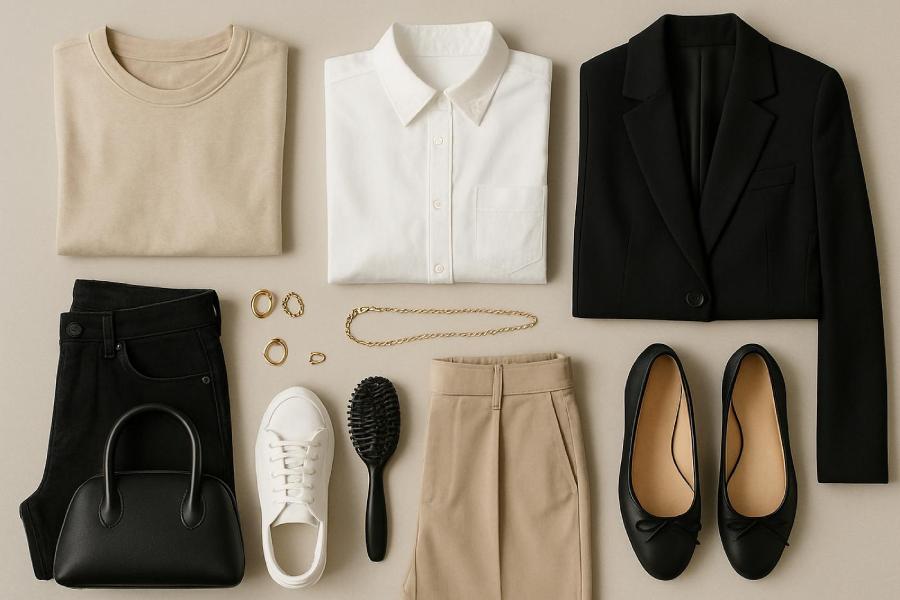
How to Build a Capsule Wardrobe for Everyday Style
How to Build a Capsule Wardrobe for Everyday Style
Creating a stylish wardrobe does not mean buying new clothes every season or filling your closet with dozens of outfits. Sometimes, the best approach is to own fewer pieces that work well together. This is the idea behind a capsule wardrobe—a practical collection of versatile clothing that makes everyday dressing easier, more organized, and more enjoyable.
Whether you are refreshing your personal style, trying to reduce unnecessary shopping, or simply looking for an easier way to get dressed in the morning, a capsule wardrobe can be a useful starting point. With a little planning, you can create a collection that reflects your lifestyle, suits your preferences, and offers plenty of outfit combinations.
In this guide, we will explore how to build a capsule wardrobe, which clothing essentials to consider, and how to make the most of the pieces you already own.
What Is a Capsule Wardrobe?
A capsule wardrobe is a carefully selected collection of clothing designed to mix and match easily. Instead of focusing on quantity, it emphasizes versatility, comfort, and personal style.
A typical capsule wardrobe may include everyday tops, trousers, jeans, layering pieces, shoes, and a few accessories. The exact number of items is up to you. Some people prefer a very minimal collection, while others need more options for work, social occasions, changing weather, or family activities.
The goal is not to follow strict fashion rules. It is to create a wardrobe where more of your clothes work together, helping you spend less time deciding what to wear.
1. Review Your Current Wardrobe
Before purchasing anything new, take a look at the clothes you already have. You may discover that you own several useful pieces that simply need to be organized differently.
Start by sorting your clothing into three groups:
-
Regular favorites: Items you wear often and feel comfortable in.
-
Occasional pieces: Clothes reserved for events, formal settings, or specific seasons.
-
Unused items: Pieces that no longer fit your lifestyle, personal taste, or comfort needs.
Pay attention to the items you reach for most frequently. These can help you understand your preferred colors, fits, fabrics, and outfit combinations.
Avoid throwing away clothes simply because they are not currently trendy. If an item fits well and suits your lifestyle, it may still have a valuable place in your wardrobe.
2. Choose a Color Palette That Works Together
Color coordination makes a capsule wardrobe easier to use. When most of your clothing shares a complementary color palette, creating outfits becomes much simpler.
Start with two or three neutral colors, such as:
-
Black
-
White or cream
-
Beige
-
Grey
-
Navy blue
-
Brown
Then add one or two accent colors that reflect your personality. These might include olive green, burgundy, soft pink, light blue, or another shade you enjoy wearing.
You do not need to limit yourself to neutrals. The important thing is to select colors that combine comfortably and suit the clothes you already own.
For example, navy trousers may work with a white shirt, a grey sweater, and a light-blue top. One item can therefore support several different outfits.
3. Start With Everyday Clothing Essentials
The best capsule wardrobe begins with clothing that suits your actual routine. Think about where you spend most of your time and what you need to feel comfortable throughout the day.
Versatile Tops
Basic T-shirts, shirts, blouses, and lightweight tops can form the foundation of many outfits. Choose designs that can be worn alone or layered beneath jackets and sweaters.
Consider a mixture of neutral basics and a few tops with interesting colors, textures, or patterns.
Jeans and Trousers
A well-fitting pair of jeans is useful for casual outings, shopping trips, and relaxed social occasions. Depending on your lifestyle, you might also include tailored trousers, straight-leg pants, or comfortable everyday bottoms.
Focus on fit and comfort rather than choosing a style simply because it is popular.
Dresses or Easy One-Piece Outfits
If dresses suit your personal style, consider adding one or two versatile options. A simple dress can be worn on its own during warmer weather or styled with a cardigan, jacket, tights, or suitable shoes when conditions change.
If you rarely wear dresses, use that wardrobe space for clothing you genuinely enjoy.
Layering Pieces
Cardigans, blazers, lightweight jackets, and sweaters can change the appearance of basic outfits without requiring a completely different wardrobe.
Choose layers that work with several tops and bottoms. The right layering pieces can also help you adapt your outfits to different temperatures and occasions.
4. Choose Clothes That Match Your Lifestyle
A capsule wardrobe should reflect your everyday needs rather than an idealized version of your life.
If you work in an office, you may need more shirts, tailored trousers, blazers, and smart shoes. If your routine is mostly casual, comfortable tops, jeans, sneakers, and lightweight layers may be more useful.
For people who attend frequent social events, a few occasion-ready pieces can help. If you travel regularly, wrinkle-resistant clothing and items that can be styled in multiple ways may be worth considering.
Ask yourself these questions before adding an item:
-
Will I wear it regularly?
-
Does it work with at least three items I already own?
-
Is it comfortable for my normal routine?
-
Can I care for it easily?
-
Does it suit my personal style?
These questions can help reduce impulse purchases and encourage more thoughtful clothing choices.
5. Select Shoes That Complement Multiple Outfits
Shoes can influence the look and practicality of an outfit, so choose them according to your routine.
A useful everyday collection might include comfortable sneakers, flats or loafers, and a more formal pair for work or special occasions. Depending on the climate and your preferences, sandals or boots may also be suitable.
Consider the colors of your most frequently worn trousers, jeans, and dresses. Shoes in complementary shades are often easier to coordinate across different outfits.
Comfort should remain a priority. A stylish pair of shoes is less useful if it is uncomfortable for the places you regularly go.
6. Use Accessories to Add Personality
Accessories help create variety without requiring a large number of clothes. A simple outfit can look different when styled with a belt, handbag, scarf, watch, or jewelry.
For example, a plain shirt and trousers combination can look relaxed with sneakers and a casual bag. The same clothing may appear more polished with loafers, a structured handbag, and understated jewelry.
You do not need a large accessory collection. Choose a few pieces that complement your clothing and suit different occasions.
Accessories are also an easy way to experiment with color, texture, and seasonal trends while keeping the main wardrobe relatively consistent.
7. Create Outfit Combinations Before Buying More
One of the most useful capsule wardrobe habits is learning to combine existing pieces in different ways.
Try laying out a few tops, bottoms, and layering items. Experiment with different combinations and take photos of outfits you like. Keeping a small collection of outfit ideas on your phone can make busy mornings easier.
For example, one pair of dark jeans could be styled with:
-
A plain T-shirt and sneakers for a casual day.
-
A button-down shirt and loafers for a smart-casual look.
-
A sweater and ankle boots for cooler weather.
-
A blazer and simple top for a more polished outfit.
These combinations show how a small number of versatile pieces can provide several different looks.
8. Shop With a Clear Plan
Once you understand what you own and what you wear, identify any genuine gaps in your wardrobe.
Perhaps you have plenty of tops but no comfortable everyday trousers. Maybe your current shoes do not suit your work routine, or you need a lightweight layer for changing weather.
Make a short shopping list based on these needs instead of buying items simply because they are on sale.
Before purchasing anything, consider its quality, fit, fabric, care instructions, and compatibility with your existing clothes. Compare prices and read product details carefully, especially when shopping online.
A capsule wardrobe does not have to be expensive. You can build one gradually, use clothing you already own, explore second-hand options, and replace items only when necessary.
9. Adapt Your Wardrobe to the Seasons
Your clothing needs may change throughout the year. Rather than replacing your entire wardrobe each season, consider adjusting a few pieces.
During warmer months, lightweight shirts, breathable fabrics, comfortable trousers, and suitable footwear may be more practical. In cooler weather, sweaters, jackets, and additional layers can help you adapt existing outfits.
Store seasonal clothing carefully when it is not needed, and keep frequently used items easy to access.
The right seasonal wardrobe will depend on your local climate, indoor environments, daily activities, and personal comfort.
10. Maintain Your Capsule Wardrobe Over Time
A capsule wardrobe is not something you need to complete in one shopping trip. It can evolve as your lifestyle, preferences, and clothing needs change.
Review your wardrobe occasionally to identify items that are no longer comfortable or useful. Repair clothing when practical, follow care labels, and store items properly to help them last longer.
When you want to introduce a new trend, consider adding one or two pieces that work with your existing collection rather than replacing everything.
The aim is to maintain a wardrobe that feels practical and personal—not to achieve a perfect number of clothing items.
Common Capsule Wardrobe Mistakes to Avoid
Even a simple wardrobe plan can become difficult to maintain if it does not reflect your real needs. Keep these common mistakes in mind:
Buying everything at once: There is no need to replace your entire closet immediately. Build your collection gradually.
Following someone else's style: A wardrobe that works for another person may not suit your body preferences, daily routine, or climate.
Choosing appearance over comfort: Clothing should feel good to wear and work for your everyday activities.
Keeping too many similar items: If several pieces serve exactly the same purpose, think about which ones you actually use.
Ignoring personal expression: A practical wardrobe can still include favorite colors, prints, statement pieces, and accessories.
Buying clothes without outfit planning: Before adding something new, consider how it will work with items you already own.
Final Thoughts
Building a capsule wardrobe for everyday style is about making your clothing collection more useful, coordinated, and personal. By reviewing your existing clothes, choosing a complementary color palette, prioritizing versatile essentials, and shopping with a plan, you can create more outfit combinations without constantly buying new pieces.
Start small and focus on the clothes that support your actual lifestyle. Over time, you can refine your collection, discover combinations you enjoy, and develop a more straightforward approach to everyday dressing.
A successful capsule wardrobe is not defined by a strict number of items or a particular trend. It is a wardrobe that helps you feel comfortable, confident, and ready for your day.
Frequently Asked Questions
How many items should a capsule wardrobe contain?
There is no universal number. The right size depends on your lifestyle, climate, work requirements, and personal preferences. Start with a manageable collection and adjust it as needed.
Can I build a capsule wardrobe on a budget?
Yes. Begin with clothing you already own, identify missing essentials, and purchase new items gradually. Second-hand clothing and seasonal discounts may also help you stay within budget.
Do capsule wardrobes have to use neutral colors?
No. Neutral colors can make coordination easier, but you can include bright shades, prints, and favorite colors. Choose a palette that feels natural to your personal style.
Can a capsule wardrobe include trendy clothing?
Yes. You can add a few trend-led items if you genuinely like them and can combine them with your existing wardrobe. The goal is to avoid buying pieces that have little use beyond one outfit or occasion.
How often should I update my capsule wardrobe?
Review it whenever your lifestyle, climate, or clothing needs change. You do not need to replace items on a fixed schedule; focus on usefulness, fit, and condition.
Affiliate Disclosure: This article may contain affiliate links. If readers purchase through qualifying links, the website may earn a commission at no additional cost to them. Recommendations should be selected carefully and should align with the reader's needs.