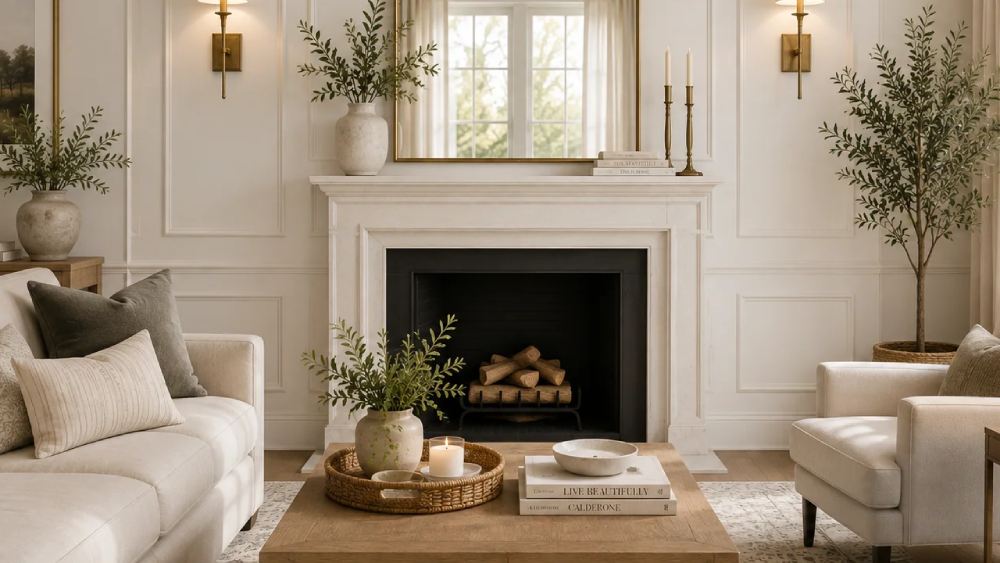
How to Choose the Right Lighting for Every Room
Lighting plays an important role in how a home looks, feels, and functions. The right lighting can make a small room appear brighter, create a relaxing atmosphere in the bedroom, and help you perform everyday tasks more comfortably. However, choosing suitable lighting involves more than simply picking an attractive lamp or ceiling fixture.
Every room has different lighting needs. A kitchen requires clear illumination for cooking, while a living room benefits from a flexible combination of ambient and accent lighting. Understanding these differences can help you create a home that feels comfortable, stylish, and practical.
In this guide, we will explore how to choose the right lighting for every room, including tips on brightness, bulb color, fixture styles, and energy efficiency.
1. Understand the Three Main Types of Lighting
Before selecting lights for individual rooms, it helps to understand the three basic types of lighting used in interior design.
Ambient Lighting
Ambient lighting provides the general illumination of a room. It helps you move around safely and creates the overall brightness of the space.
Common examples include ceiling lights, chandeliers, recessed lights, and flush-mount fixtures.
Task Lighting
Task lighting focuses on a particular area where you need extra visibility. It is especially useful for activities that require attention to detail.
Examples include desk lamps, kitchen under-cabinet lights, bedside reading lamps, and vanity lights.
Accent Lighting
Accent lighting highlights specific features, such as artwork, architectural details, shelves, or decorative objects.
Wall sconces, picture lights, and adjustable spotlights are popular choices for this purpose.
Design tip: Combining all three types can make a room more flexible and visually appealing than relying on a single ceiling light.
2. Choose the Right Lighting for Your Living Room
The living room is often used for relaxing, watching television, reading, and entertaining guests. Its lighting should be adaptable enough to support all these activities.
Start with a general light source, such as a ceiling fixture or recessed lighting. Then introduce table lamps or floor lamps to create softer pools of light around seating areas.
If your living room includes artwork, bookshelves, or architectural details, accent lighting can help these features stand out.
For a cozy atmosphere, consider warm-white bulbs and dimmable fixtures. Dimming allows you to adjust brightness depending on the time of day and activity.
Living Room Lighting Tips
- Use a combination of ceiling lights and lamps rather than depending on one bright fixture.
- Position reading lights close to your favorite chair or sofa.
- Choose lampshades that diffuse light comfortably.
- Avoid placing bright lights where they create distracting reflections on television screens.
- Use dimmers with compatible bulbs and switches when possible.
The goal is to create a welcoming room that feels bright when needed and relaxing in the evening.
3. Select Practical Lighting for the Kitchen
Kitchen lighting needs to support both functionality and appearance. Food preparation, cooking, cleaning, and reading labels all require good visibility.
Begin with general lighting that illuminates the entire room. Ceiling fixtures or appropriately spaced recessed lights can provide a useful foundation.
Next, consider task lighting beneath wall cabinets. These fixtures illuminate countertops directly, helping reduce shadows created by overhead lighting.
Pendant lights can work well above a kitchen island or breakfast bar. Besides providing focused illumination, they can introduce color, texture, and visual interest.
Kitchen Lighting Tips
- Illuminate work surfaces evenly, especially around the sink and food preparation areas.
- Position under-cabinet lights to minimize shadows on countertops.
- Select fixtures that are easy to clean because kitchen surfaces can collect grease and dust.
- Check the manufacturer's guidance for fixtures used near water, steam, or cooking equipment.
- Choose a bulb color that makes food and work surfaces look natural.
A balanced kitchen lighting plan improves everyday usability while making the room feel more inviting.
4. Create a Relaxing Atmosphere in the Bedroom
Bedroom lighting should help you transition from daytime activities to rest. Bright, cool lighting may be useful for getting dressed or organizing belongings, while softer lighting is often more comfortable in the evening.
A ceiling light can provide general illumination, but bedside lamps or wall-mounted reading lights offer greater flexibility.
If you have wardrobes or a dressing area, consider adding suitable lighting nearby so you can see clothing colors more clearly.
Dimmable bedside fixtures are particularly useful because they allow you to lower the brightness before sleeping.
Bedroom Lighting Tips
- Use warm-white lighting for a calm evening atmosphere.
- Place reading lamps where they illuminate your book without shining directly into your eyes.
- Consider wall-mounted lights if bedside table space is limited.
- Add wardrobe lighting where it improves visibility.
- Avoid unnecessarily bright lights shining directly toward the bed.
A well-planned bedroom should support both practical routines and a comfortable nighttime environment.
5. Choose Effective Lighting for the Bathroom
Bathrooms require careful lighting because people use them for grooming, shaving, applying makeup, and other detailed tasks.
A ceiling fixture can illuminate the general space, but additional lighting near the mirror is often essential.
Lights placed on both sides of a mirror can help illuminate the face more evenly and reduce harsh shadows. If side-mounted fixtures are not practical, choose a suitable mirror light designed to provide balanced illumination.
Bathroom lighting must also account for moisture and water exposure. Always select fixtures with the appropriate safety rating for their installation location and follow local electrical regulations.
Bathroom Lighting Tips
- Provide clear, even light around the mirror.
- Avoid relying entirely on a single ceiling light for grooming tasks.
- Choose fixtures designed for the relevant bathroom zone and moisture conditions.
- Consider a dimmer for relaxing evening use if compatible with the installation.
- Select bulbs with good color rendering so skin tones appear more natural.
The best bathroom lighting combines practical visibility with a clean, comfortable atmosphere.
6. Improve Productivity With Home Office Lighting
A home office should have lighting that supports concentration and reduces unnecessary visual discomfort.
Start with general room lighting, then add a desk lamp that directs light toward your work surface. An adjustable lamp can be especially helpful because you can change its position according to the task.
Whenever possible, make use of natural daylight. Position your desk so that daylight illuminates the workspace without creating excessive glare on your computer screen.
Screen reflections and strong contrasts between a bright monitor and a dark room can be uncomfortable. Aim for balanced lighting throughout the workspace.
Home Office Lighting Tips
- Choose an adjustable desk lamp for reading, writing, and paperwork.
- Position light sources to reduce reflections on screens.
- Keep the surrounding area reasonably illuminated when working at night.
- Choose a bulb color that feels comfortable for extended work sessions.
- Use separate task lighting instead of making the entire room excessively bright.
Good lighting can make a workspace more practical and pleasant, although it cannot replace regular breaks and healthy screen habits.
7. Make the Dining Room Feel Warm and Inviting
Dining room lighting helps establish the atmosphere for family meals, celebrations, and casual gatherings.
A pendant light or chandelier above the dining table can create a natural focal point. The fixture should be proportional to the table and room so it does not overwhelm the space.
Warm-white light often works well in dining areas because it creates a welcoming mood. A dimmer can make the lighting more flexible, allowing brighter illumination for everyday meals and softer light for special occasions.
If the room contains a sideboard, artwork, or display cabinet, additional accent lighting can complete the design.
Dining Room Lighting Tips
- Center the main fixture over the dining table.
- Choose a fixture size that suits the table dimensions.
- Ensure the light does not obstruct people's views across the table.
- Use dimmable lighting where practical.
- Add subtle accent lighting if you want to highlight decorative features.
The right combination of light and fixture placement can make dining areas feel more intimate and visually balanced.
8. Brighten Hallways and Entryways
Hallways and entryways are sometimes overlooked during home decorating, yet they influence the first impression of your home.
These spaces need enough illumination for safe movement, finding keys, and entering or leaving comfortably.
Flush-mount ceiling lights are useful in areas with low ceilings. Wall sconces can add character to longer hallways, while a decorative pendant may work well in an entryway with sufficient ceiling height.
Mirrors can help reflect available light, especially in narrow spaces that receive little daylight.
Hallway Lighting Tips
- Choose fixtures that leave enough clearance for comfortable movement.
- Use evenly spaced lights in long corridors where necessary.
- Add a table lamp to an entryway console if there is a suitable surface.
- Avoid overly dark corners near stairs or entrances.
- Consider motion-sensor lighting for convenient nighttime movement.
A well-lit entryway makes your home feel more welcoming while improving everyday functionality.
9. Select Comfortable Lighting for Children's Rooms
Children's rooms often serve several purposes, including sleeping, reading, playing, studying, and storing toys. Lighting should adapt to these changing activities.
Use general lighting to illuminate the room, then add task lighting near a desk or reading area as needed.
A bedside lamp or low-level night light may help with quiet nighttime routines. Choose products that are suitable for the child's age, securely installed, and designed to minimize electrical and heat-related risks.
Avoid fragile fixtures in areas where children play actively, and keep cords out of reach.
Children's Room Lighting Tips
- Provide clear light for homework and creative activities.
- Use soft lighting for bedtime routines.
- Choose durable, age-appropriate fixtures.
- Keep cords and small detachable components safely out of reach.
- Use appropriate night lights rather than leaving unnecessarily bright lights on all night.
Flexible lighting can help create a room that feels playful during the day and calm in the evening.
10. Use the Right Lighting in the Laundry Room
Laundry rooms need functional lighting because sorting clothes, checking stains, reading care labels, and folding garments all require good visibility.
A bright ceiling fixture can provide general illumination. If you have shelves, cabinets, or a folding counter, additional lighting may help eliminate shadows.
Choose fixtures that suit the room's moisture conditions and are easy to maintain.
Laundry Room Lighting Tips
- Illuminate work surfaces and areas around appliances.
- Choose light that makes clothing colors easy to distinguish.
- Avoid fixtures that interfere with cabinet doors or appliance access.
- Keep lighting controls accessible.
- Use energy-efficient bulbs for frequently used spaces.
Practical lighting can make routine household tasks easier and help you keep the room organized.
11. Understand Color Temperature Before Buying Bulbs
Bulb color temperature affects how light appears and how a room feels. It is measured in kelvins (K).
Here is a general guide to common color temperatures.
| Color temperature | Typical appearance | Common uses |
|---|---|---|
| 2700K–3000K | Warm white | Bedrooms, living rooms, dining areas |
| 3000K–3500K | Soft to neutral white | Kitchens, bathrooms, general home lighting |
| 3500K–4000K | Neutral to cool white | Home offices, work areas, utility rooms |
| 5000K and above | Cooler, daylight-like appearance | Selected task-oriented or specialized spaces |
These are guidelines rather than strict rules. The best color temperature depends on your preferences, existing finishes, daylight, and the purpose of the room.
For a consistent appearance, avoid mixing very different bulb colors within the same visible area unless the contrast is intentional.
12. Check Brightness and Lumens
When choosing a bulb, look at its lumen rating rather than relying only on wattage.
Lumens indicate the amount of visible light produced by a source, while watts measure electrical power consumption.
A higher lumen rating generally means a brighter bulb, but the right amount of light depends on the size of the room, ceiling height, wall colors, fixture design, and the activity taking place.
For example, a reading corner may need focused light even when the rest of the living room is relatively dim. A kitchen worktop may require more direct illumination than a decorative shelf.
If possible, choose fixtures that allow you to adjust brightness to suit different situations.
13. Make Natural Light Part of Your Plan
Artificial lighting is only one part of a well-lit home. Natural daylight can improve the appearance of interior spaces and reduce the need for electric lighting during the day.
Keep windows clean and avoid placing bulky furniture where it unnecessarily blocks daylight.
Light-colored curtains can help distribute daylight while maintaining privacy. Mirrors and pale wall finishes may also reflect available light around a room.
If a room receives very little natural light, use a layered artificial lighting plan rather than depending on one powerful bulb.
Remember that direct sunlight can create glare and heat, so window coverings may still be useful.
14. Choose Energy-Efficient Lighting
Energy-efficient lighting can reduce electricity consumption while providing effective illumination.
LED bulbs are a popular option because they generally use less electricity and last longer than traditional incandescent bulbs. Their actual performance depends on product quality, operating conditions, and usage.
When shopping for lighting, compare the following features:
- Lumens: The amount of light produced.
- Watts: The electricity consumed.
- Color temperature: The appearance of the light.
- Color rendering index (CRI): How accurately colors appear under the light.
- Dimmability: Whether brightness can be adjusted.
- Rated lifespan: The manufacturer's expected operating life.
Also check compatibility between bulbs, fixtures, dimmers, and smart controls before purchasing.
Spending a little time comparing specifications can help you choose lighting that suits your needs and long-term budget.
15. Match Light Fixtures to Your Interior Style
Lighting fixtures are functional objects, but they also contribute to your home's overall design.
A simple pendant may complement a minimalist interior, while a metal fixture with exposed details can suit an industrial-inspired room. Natural materials and understated shapes often work well in relaxed, contemporary spaces.
However, you do not need to match every fixture perfectly. Combining different designs can create an interesting result when they share a consistent finish, shape, or visual theme.
Popular Lighting Styles
- Modern: Clean lines, simple shapes, and understated finishes.
- Traditional: Decorative details, classic silhouettes, and familiar materials.
- Industrial: Metal finishes, practical forms, and visible structural details.
- Scandinavian-inspired: Simple designs, natural materials, and a focus on functionality.
- Minimalist: Uncluttered fixtures that emphasize useful light rather than decoration.
Choose fixtures that complement your furniture, room proportions, and personal taste.
Common Lighting Mistakes to Avoid
Even attractive fixtures can create problems when they are selected or positioned poorly.
Here are some common mistakes to watch out for:
- Using only one light source: A single overhead light may leave corners and work areas poorly illuminated.
- Choosing the wrong bulb color: Very cool light may feel harsh in a room intended for relaxation.
- Ignoring glare: Poorly positioned lights can create uncomfortable reflections on screens and glossy surfaces.
- Buying oversized fixtures: Large chandeliers or pendants can overwhelm smaller rooms.
- Forgetting task lighting: Decorative lighting alone may not provide enough illumination for reading, cooking, or grooming.
- Overlooking safety requirements: Bathrooms, outdoor areas, and other demanding locations may require specially rated fixtures.
- Ignoring dimmer compatibility: Not every bulb works with every dimmer switch.
Planning the lighting before buying fixtures helps prevent unnecessary expenses and disappointing results.
Final Thoughts
Choosing the right lighting for every room is about balancing functionality, comfort, and style. Living rooms benefit from flexible layers of light, kitchens need clear task illumination, and bedrooms often feel more relaxing with softer evening lighting.
Start by identifying the activities that take place in each room. Then combine ambient, task, and accent lighting where appropriate. Consider bulb brightness, color temperature, natural daylight, and the size of each fixture before making your final choices.
You do not need to replace every light in your home at once. Updating a few bulbs, adding a reading lamp, or improving the lighting around a kitchen worktop can make a meaningful difference.
With thoughtful planning, the right lighting can help every room in your home feel more comfortable, functional, and beautifully designed.
Frequently Asked Questions
What type of lighting is best for a living room?
A combination of ambient lighting, table or floor lamps, and accent lighting is often effective. This arrangement provides general visibility while allowing you to create a softer atmosphere for relaxing.
Which color temperature is best for bedrooms?
Warm-white lighting around 2700K–3000K is a popular choice for bedrooms because it creates a softer appearance. You can use separate, brighter task lighting for reading or getting dressed.
How bright should kitchen lighting be?
Kitchen lighting should provide sufficient illumination for cooking, cleaning, and food preparation. The appropriate brightness depends on the room's size, surface finishes, fixture placement, and the specific tasks being performed.
Are LED lights suitable for every room?
LED lights are suitable for most indoor spaces when the bulb and fixture are compatible. Check the product's dimming capability, moisture rating, temperature limits, and installation requirements before use.
What is the difference between lumens and watts?
Lumens measure the amount of visible light produced by a bulb, while watts measure its electrical power consumption. When comparing brightness, lumens are generally the more useful measurement.
How can I improve home lighting on a budget?
Start by replacing inefficient or unsuitable bulbs, repositioning existing lamps, and adding task lighting where needed. Using natural daylight effectively can also improve a room without requiring new fixtures.
Should every room use the same type of lighting?
No. Each room has different requirements. A kitchen may need stronger task lighting, while a bedroom may benefit from softer ambient light. Maintaining some consistency in bulb color and fixture finishes can still help your home feel coordinated.