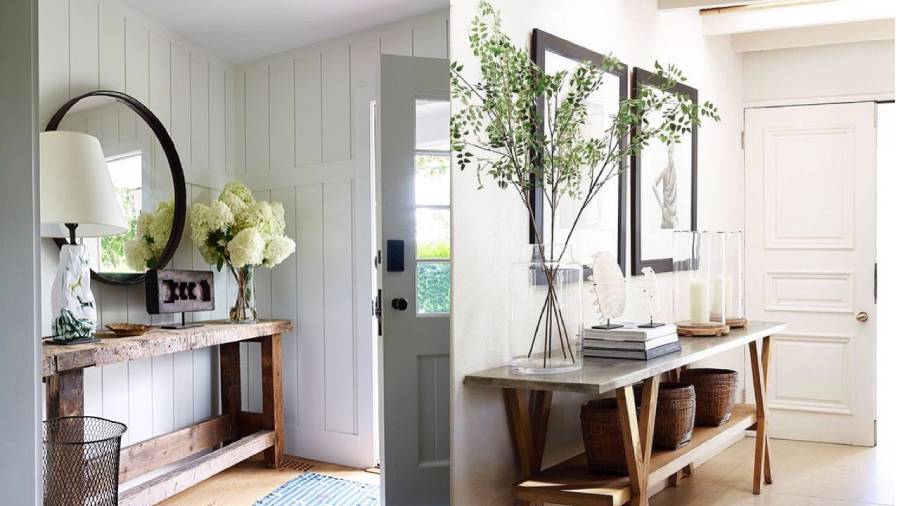
Entryway Decor Ideas for a Stylish First Impression
Your entryway is the first part of your home that guests see, and it can set the tone for the rest of your interior. Whether you have a spacious entrance, a narrow hallway, or a small apartment doorway, thoughtful decorating can help make the area feel welcoming, organized, and stylish.
You do not need a large budget or an extensive renovation to improve your entryway. A few carefully chosen accessories, practical storage solutions, and coordinated colours can transform this often-overlooked space into a useful part of your home.
In this guide, we explore entryway decor ideas, furniture choices, lighting tips, and simple ways to create an inviting first impression.
1. Start with a Stylish Console Table
A console table can provide a useful foundation for entryway styling. Its narrow shape makes it suitable for many hallways, while its surface offers space for decorative accessories and everyday essentials.
Choose a table that fits comfortably against the wall without blocking the entrance or reducing walking space.
You can style it with a small vase, a decorative bowl, a framed print, or a table lamp. Try to leave some empty surface area so the arrangement looks intentional rather than crowded.
For smaller homes, consider a console table with drawers or a lower shelf to provide extra storage.
2. Use a Mirror to Enhance the Space
A mirror is a practical addition to an entryway because it allows you to check your appearance before leaving home. It can also reflect available light and contribute to a more open feeling.
Choose a shape that complements your interior style. A round mirror can soften a room with angular furniture, while a rectangular design may suit a more structured or contemporary interior.
Position the mirror at a comfortable viewing height and secure it according to the manufacturer's mounting instructions. If you rent your home, consider suitable removable mounting options where appropriate for the mirror's weight.
3. Add Functional Shoe Storage
Shoes left near the entrance can quickly make a hallway look untidy. A dedicated shoe rack, closed cabinet, or storage bench can help keep footwear organized and make the space easier to maintain.
When choosing shoe storage, consider how many pairs your household uses regularly and how much floor space is available.
For a narrow entryway, a slim shoe cabinet may be more practical than a deep storage unit. In a larger entrance, a bench with concealed storage can provide a place to sit while putting on or removing shoes.
Choose a design that coordinates with your existing furniture and is easy to clean.
4. Create a Welcoming Atmosphere with Lighting
Lighting can change how an entryway looks and feels. A well-lit entrance is easier to use and can highlight decorative details.
Depending on your layout, you might consider:
-
Pendant lights: Suitable for entrances with adequate ceiling height.
-
Wall lights: Useful when floor and table space are limited.
-
Table lamps: A practical option when you have a console table and a nearby power outlet.
-
Warm-toned bulbs: Can create a softer appearance when they suit the room's overall lighting plan.
Choose lighting that provides enough visibility without producing uncomfortable glare. Before installing a new fixture, check the room's electrical requirements and use a qualified professional when necessary.
5. Decorate with Plants and Natural Elements
Plants and natural textures can introduce colour and visual interest to an entrance. A small indoor plant may work well on a console table, while a floor plant can fill an empty corner if enough room is available.
If your entryway receives limited natural light, select a plant suited to those conditions or consider a realistic artificial alternative.
You can also introduce natural materials through wooden trays, woven baskets, ceramic vases, or textured planters. These details can make the entrance feel coordinated without requiring lots of decorative objects.
Keep plants away from walkways and choose stable containers that are appropriate for the location.
6. Choose an Entryway Rug or Runner
A rug or hallway runner can define the entrance and introduce colour, texture, or pattern. It can also help make the transition between the doorway and the main living area feel more deliberate.
Before buying a rug, measure the available floor space and check the door clearance. The rug should not prevent the door from opening or create a tripping hazard.
For a busy household, look for a material that is practical to clean and suitable for the expected level of foot traffic. A secure non-slip backing or suitable rug pad can help reduce movement.
Neutral rugs can complement a wide range of interiors, while patterned designs may be useful for introducing a little personality.
7. Make the Most of Vertical Wall Space
When floor space is limited, the walls can provide valuable storage and display opportunities.
Consider adding:
-
Wall hooks for coats, hats, and bags.
-
A small shelf for lightweight decorative objects.
-
Framed artwork or photographs.
-
A wall-mounted organizer for everyday essentials.
-
A compact key holder near the entrance.
Keep frequently used items within easy reach and avoid placing too many objects in one area. Before drilling into a wall, check for hidden cables or pipes and use appropriate fixings for the wall type and item being installed.
8. Use a Cohesive Colour Palette
A coordinated colour palette can make an entryway look polished without requiring expensive furniture.
Start with the colours already present in your home. If the adjoining rooms use neutral shades, you might continue that theme with cream, beige, white, grey, or natural wood tones.
For a little more contrast, introduce one or two accent colours through artwork, cushions on a bench, a decorative vase, or a rug.
Repeating a colour in different places can help the arrangement feel connected. Avoid adding too many competing shades if your goal is a calm and uncluttered entrance.
9. Add a Personal Touch with Artwork
Artwork can make an entryway feel more personal and distinctive. A framed print, family photograph, or small collection of coordinated pictures can give the area character.
For a simple arrangement, choose one larger piece above the console table. If you prefer a gallery wall, plan the layout on the floor first and keep consistent spacing between frames.
The scale of the artwork matters. A tiny frame may look lost on a large wall, while an oversized piece can overwhelm a very narrow hallway.
Choose pieces that reflect your taste and work with the colours and materials already in the space.
10. Organize Everyday Essentials
An attractive entryway should also be easy to use. Creating a designated place for everyday items can reduce clutter and make it easier to leave the house.
A small tray can hold keys and other pocket-sized essentials. Hooks can keep bags off the floor, while baskets may provide a place for reusable shopping bags or accessories.
If several people share the home, assign each person a specific hook, basket, or storage section. This simple arrangement can make the entrance more practical without adding unnecessary furniture.
11. Entryway Decor Ideas for Small Apartments
Small entrances require a slightly different approach. The goal is to improve organization without making the space feel cramped.
Try these ideas:
Choose slim furniture: A shallow console or narrow shoe cabinet can provide useful storage while preserving walking space.
Use wall-mounted accessories: Hooks, shelves, and organizers can reduce the need for bulky floor furniture.
Keep the palette light: Lighter colours may help the entrance feel visually open, especially when paired with good lighting.
Limit decorative objects: Select a few useful or meaningful pieces instead of filling every available surface.
Use multifunctional furniture: A compact bench with storage can provide seating and organization in one piece.
Always measure the doorway, hall width, and furniture depth before purchasing items for a small entrance.
12. How to Decorate an Entryway on a Budget
Refreshing your entrance does not require replacing everything. Start with what you already own and identify the changes that would make the biggest difference.
Here are some budget-friendly options:
-
Rearrange existing furniture and accessories.
-
Add a new cushion or runner to introduce colour.
-
Use a tray or basket to organize everyday belongings.
-
Frame affordable prints or photographs.
-
Improve lighting with a suitable lamp.
-
Add hooks to make better use of wall space.
-
Check second-hand shops for suitable mirrors or small furniture pieces.
Prioritize items that improve both appearance and everyday function. Buying fewer, more useful pieces can be a better approach than filling the area with accessories you do not need.
13. Common Entryway Decorating Mistakes to Avoid
Even attractive decor can become impractical if the layout is not considered carefully.
Avoid these common mistakes:
-
Blocking the walkway: Leave enough clear space for people to enter and move comfortably.
-
Choosing furniture that is too large: Measure the area before purchasing a console, bench, or cabinet.
-
Using unstable accessories: Secure mirrors and wall-mounted items correctly.
-
Overcrowding surfaces: Leave room for everyday belongings instead of covering every surface with decorations.
-
Ignoring lighting: Make sure the entrance is sufficiently illuminated.
-
Forgetting maintenance: Choose rugs and finishes that suit your household's cleaning needs.
A successful entryway combines style with convenience, making it attractive while remaining easy to use.
Final Thoughts
Your entryway can make a strong first impression while helping your home stay organized. A well-chosen console table, a practical shoe cabinet, a mirror, suitable lighting, and a few personal accessories can create a welcoming entrance without a major renovation.
Start by considering the space you have, the items your household uses every day, and the interior style you want to achieve. Then introduce a few complementary pieces that make the entrance both attractive and functional.
With thoughtful planning, even a small hallway or apartment entrance can become a stylish and useful part of your home.